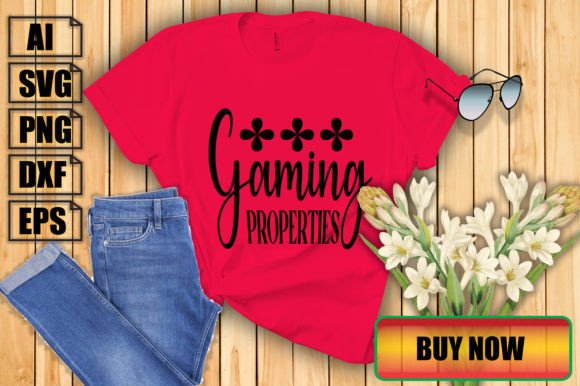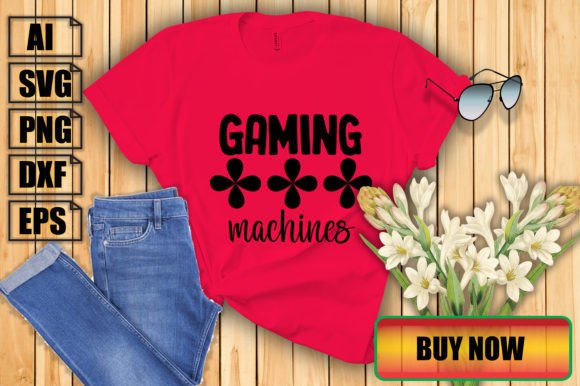
Gaming Machines: Integrating Digital Design Assets into Your Creative Workflow
Digital design files themed around gaming machines have carved out a permanent place in the toolkits of crafters, small business owners, and professional designers. When you purchase a gaming machines design bundle, you typically receive multiple file formats—SVG, DXF, EPS, and a high-resolution PNG—each engineered for specific software environments and output methods. Understanding what these formats actually do and where they fit into a real production sequence turns a simple download into a reliable, repeatable asset that saves hours of trial and error.
The core value of a gaming machines graphic set lies in its versatility across cutting machines, print projects, engraving tools, and screen-based applications. Rather than locking you into one ecosystem, the multi-format approach means the same arcade cabinet silhouette, slot machine emblem, or retro console motif can appear on a t-shirt, a coffee mug, a laser-cut acrylic sign, and a social media graphic without redrawing anything. For anyone who juggles multiple output channels—an Etsy seller who also runs a booth at weekend markets, a blogger who creates printable downloads, or a marketing professional building branded merchandise—this cross-compatibility removes a significant bottleneck.
What the File Formats Actually Mean for Your Projects
Before dropping a gaming machines design into your workflow, it helps to know why you received four distinct files and which one to reach for first. Each format serves a different stage of production, and picking the wrong one leads to jagged cuts, missing layers, or incompatible imports.
SVG files are the workhorse of the cutting machine world. If you use Cricut Design Space, Silhouette Studio Designer Edition, Adobe Illustrator, or Inkscape, the SVG preserves editable layers, clean cut lines, and scalable vector paths. When you open a gaming machines SVG, you can typically separate handle details from cabinet outlines, adjust the coin slot depth, or recolor flashing light elements independently. This layer structure makes the design adaptable—you might use the full composition for a tote bag heat transfer but isolate just the joystick graphic for a smaller decal.
DXF files serve Silhouette users specifically, including those running the free basic version of Silhouette Studio. While the free edition cannot open SVG files natively, it handles DXF imports without a paid upgrade. If you are just starting out or running a lean operation, the DXF keeps you moving without additional software costs. The tradeoff is that DXF files sometimes merge layers during export, so you may need to do a bit more cleanup compared to the SVG version. Still, for single-color vinyl cuts of classic arcade machine outlines, the DXF delivers a clean result.
EPS files target professional print and illustration workflows. Adobe Illustrator, CorelDRAW, and commercial print shops rely on EPS as a universal exchange format that preserves vector data, spot color information, and precise curves. When you send a gaming machines design to a screen printer for merchandise runs or to a sign shop for large-format banners, the EPS file ensures the artwork arrives intact without font substitution or resolution issues.
PNG files at 300 dpi with transparent backgrounds bridge the gap between vector precision and pixel-based environments. You can drop a high-resolution gaming machine PNG directly into Canva, Photoshop, or a thumbnail maker without worrying about background removal. This format suits digital product mockups, website graphics, or layered compositions where you need the machine graphic to sit cleanly over a textured backdrop or a gradient.
Where Gaming Machine Designs Fit into a Broader Production Process
Viewing these files as raw inputs rather than finished products shifts how you structure your projects. A gaming machine graphic might enter your workflow at the concept phase, the execution phase, or even as post-production embellishment depending on what you are building.
As a Starting Point for Custom Merchandise
Many small business owners begin with a purchased design, modify it to match their brand, and produce a line of products. A retro arcade machine SVG can become a repeating pattern for fabric, a single-color logo for engraved metal tumblers, or a layered cardstock topper for cake decorations. Because the vector files let you extract specific elements—the coin return slot, the glowing marquee, the pixelated screen—you can build entirely new compositions without starting from scratch.
Integration tip: import the SVG into your preferred vector software first. Group related elements, label layers clearly, and save a master file before branching into specific versions. When the holiday season hits and you need a Christmas-themed variation, you will thank yourself for keeping that organized master.
As a Bridge Between Digital and Physical Products
A creator selling digital downloads on one platform and physical goods on another often struggles with maintaining visual consistency. The gaming machines bundle solves this by providing assets that work in both realms. Use the EPS version for a digital planner sticker sheet you sell as a PDF, and simultaneously use the SVG for cutting actual vinyl stickers you ship in orders. The artwork stays identical; only the production method changes.
This dual-use capability matters most when you are building a recognizable brand. Customers who buy your digital arcade-themed bullet journal stickers and later purchase a physical enamel pin based on the same gaming machine design experience a cohesive product line, which increases repeat purchases and word-of-mouth referrals.
As an Element in Composite Designs
Professional designers rarely use purchased assets in isolation. A gaming machine graphic often becomes one component of a larger layout—the background of a YouTube thumbnail, part of a Twitch overlay, the focal point of a party invitation. The transparent PNG makes this layering straightforward because you can position the machine behind text, in front of a logo, or nested within a collage without fringing or halos around the edges.
Software Compatibility and Workflow Setup
Knowing which software reads which format prevents the frustration of staring at an import error when you are trying to meet a deadline. Here is a practical compatibility breakdown based on the tools you and your collaborators likely use.
Cricut Explore and Maker machines accept SVG uploads directly into Design Space. When you upload a gaming machines SVG, the software attempts to separate colors and layers, though you should verify that cut lines align with your expectations—sometimes complex paths need a quick weld or attach command before sending to the machine.
Silhouette machines running the free software edition rely on DXF files. With Designer Edition or higher, SVG becomes available and is generally the preferred format because it retains better layer organization. If you collaborate with another Silhouette user who has not upgraded, sending them the DXF ensures they can participate without friction.
Adobe Illustrator and Inkscape users can open SVG or EPS files directly. Illustrator handles both natively, while Inkscape occasionally struggles with complex EPS gradients or embedded fonts. When in doubt, use the SVG version in Inkscape for cleaner editing.
CorelDRAW works best with EPS or SVG, though long-time Corel users often lean toward EPS for print projects due to its long-standing role as a commercial printing standard.
Canva, Photoshop, GIMP, and similar raster editors benefit from the 300 dpi PNG. Since these programs are not vector-based, opening an SVG often flattens the image anyway. Starting with the high-resolution PNG eliminates conversion guesswork.
Quality Control Before You Cut, Print, or Publish
A few minutes of inspection saves wasted material and rework. Before loading expensive heat-transfer vinyl or sending a batch order to your cutting machine, open the vector file and zoom into critical detail areas. Small cut paths that look solid at full view may reveal gaps at close range. Check that score lines, draw paths, and cut paths are assigned correctly, especially if the gaming machines design includes intricate elements like joystick shafts, button panels, or decorative coin tray details.
For screen printing and sublimation workflows, verify that the colors in the EPS or PNG match your intended output. Monitors and printers interpret color spaces differently, so doing a small test print prevents a batch of mugs from emerging with unexpected neon pink where a soft red was intended.
Test different material sizes and scales before committing to a full production run. A gaming machine graphic that cuts cleanly at six inches tall may lose fine details when reduced to a two-inch decal. Keep a set of test cuts on scrap material to establish the lower size limit for each design element. Document these thresholds so seasonal helpers or team members can reference them without guessing.
Organizing Assets for Long-Term Efficiency
Creative professionals and small business owners who regularly use purchased design files benefit from a consistent folder structure and naming convention. Instead of dumping everything into a single downloads folder, create a system that scales as your library grows.
A practical approach: within a main folder named after the theme—Gaming Machines—create subfolders for SVG, DXF, EPS, and PNG. Keep the original downloaded files untouched in an archive folder, and work from copies to avoid overwriting your master assets. When you modify a gaming machine design for a specific client or product, save the adapted version with a descriptive filename that includes the modification date and intended use, such as ArcadeCabinet_BirthdayShirt_2025.
Cloud storage with version history adds a layer of protection. Services that automatically save previous iterations let you experiment freely, knowing you can revert to the original gaming machine file if you push the edits too far or accidentally merge layers you needed to keep separate.
Common Integration Challenges and How to Solve Them
Even with well-prepared files, certain hurdles recur across design workflows. Anticipating them reduces downtime.
Scaling discrepancies occur when you import an SVG into Cricut Design Space and the dimensions do not match the original. The software sometimes resizes imports based on its own default stroke width calculations. Always check the height and width immediately after import and adjust before adding text or other elements.
Node density affects cutting performance. Highly detailed gaming machine designs with hundreds of anchor points can cause cutting machines to pause, stutter, or tear delicate materials. Using a simplified path or reducing the number of nodes in vector editing software before export smooths the cutting process without noticeably altering the design.
Transparency and background confusion arise when a PNG that appears to have a clear background in your file browser reveals a faint white box when placed over a dark background. Always test the PNG against a contrasting backdrop before finalizing a design, and if issues appear, return to the SVG or EPS to export a fresh raster version with confirmed transparency settings.
Expanding Use Cases Beyond the Obvious
While crafting apparel and signage accounts for a large share of gaming machine design usage, the same assets prove useful in less expected contexts. Educators creating gamified classroom materials can print arcade-themed elements for bulletin boards or reward tokens. Corporate event planners might use gaming machine graphics on brochures and name badges for a retro-themed conference. Authors and publishers producing interactive content or game-themed journals can weave the PNG assets into page layouts and cover designs without commissioning custom illustrations.
The licensing terms accompanying your purchase determine how far you can push these applications. Some bundles allow commercial use on physical products you sell but restrict reselling the digital files themselves. Always read the specific terms, and when in doubt, contact the seller for clarification—this protects your business from take-down notices and maintains good standing with the artist.
Making Gaming Machine Designs a Reliable Part of Your Routine
The difference between a one-off project and a sustainable workflow often comes down to repeatability. When you establish a clear sequence—import the SVG, verify cut lines, assign materials, run a test, document settings, and save a project file—you eliminate the variables that cause inconsistent results. Each subsequent use of the gaming machines design becomes faster and more predictable.
For those who sell finished products, consistent use of the same base design across multiple items builds a recognizable visual identity. A customer who purchased a gaming console decal last month and sees a matching notebook or sticker set this month experiences brand continuity that feels intentional rather than haphazard. The multi-format nature of the original purchase makes that consistency achievable because the same artwork powers every output channel.
Ultimately, gaming machine design files are not just graphics to download and forget. They become building blocks that adapt to your equipment, your materials, your audience, and your evolving creative goals. By understanding the purpose behind each file format, organizing assets thoughtfully, and integrating them into tested processes, you turn a creative purchase into a productive asset that performs reliably across every project you undertake.