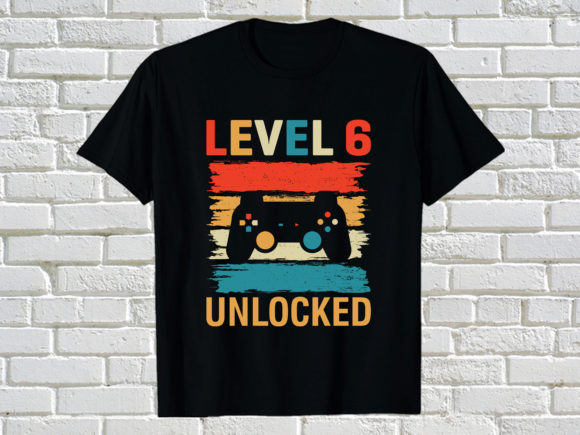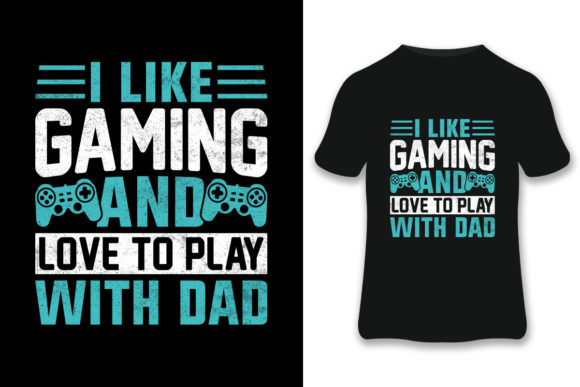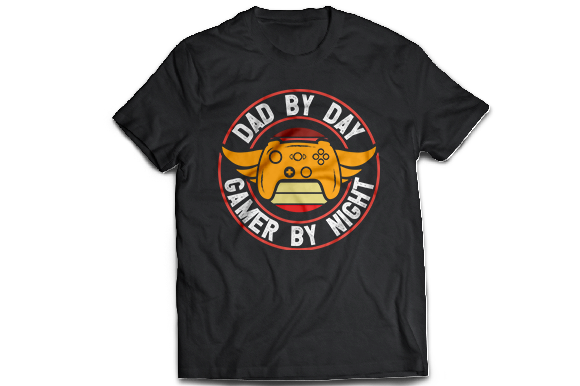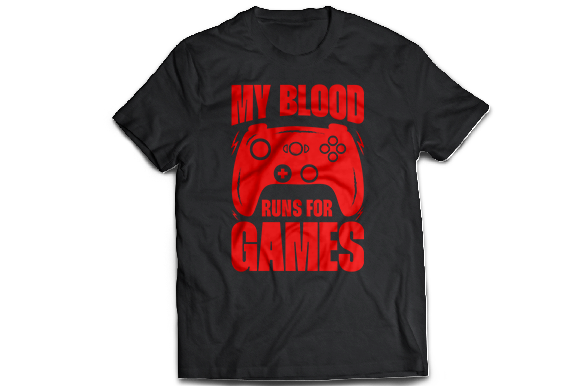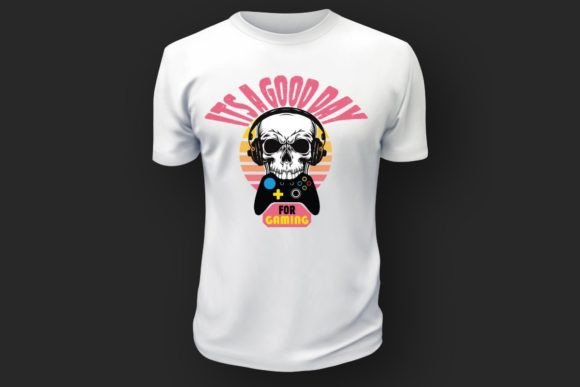
The Good Day Gaming T-Shirt Design: A Versatile Digital Asset for Creators
In the creative landscape where digital assets drive physical products, a well-designed, fully editable vector file is a cornerstone resource. The Good Day Gaming T-Shirt Design exemplifies this, serving not as a finished garment, but as a foundational digital blueprint. It is a high-quality vector graphic package, directly applicable for professionals and hobbyists looking to produce custom apparel or other personalized items. This approach shifts the workflow from purchasing a pre-made shirt to acquiring a flexible design file, empowering the end-user with complete creative and commercial control.
Understanding the Design Package’s Role in Your Workflow
Receiving a design in formats like editable AI, EPS, PNG, and SVG represents a significant shift from a final product to a raw, adaptable asset. This is crucial for integrating custom design into broader projects. For instance, a small business owner launching a merch line for a local gaming community doesn’t just need a single T-shirt; they need a consistent, scalable brand asset. The Good Day Gaming T-Shirt Design package provides that core visual element. You can modify colors to match team schemes, resize it for different garment sizes like hoodies or caps, and maintain vector integrity for both small embroidered logos and large back-prints.
The inclusion of a print-ready transparent PNG and SVG file specifically bridges the gap between professional design software and common production tools. Many direct-to-garment printers and vinyl cutter operators prefer these formats for their simplicity and compatibility. This eliminates a common friction point in the workflow: designers often have to manually export or convert files for different vendors, which can introduce errors. Here, the design is delivered already staged for key stages of the implementation process.
Key Formats and Their Practical Applications
Each file in the ZIP archive serves a distinct, practical purpose within a production or creative chain:
- Editable AI & EPS Files: These are the master files. Use them in Adobe Illustrator or similar vector software to make fundamental changes. This is where you would alter the composition, add text, integrate with other design elements for a larger collection, or prepare derivative versions for other products like posters or web graphics.
- Print-Ready Transparent PNG: This is the go-to file for quick placements. Use it in page layout software for mock-ups, upload it directly to many online print-on-demand platforms, or send it to a printer for a straightforward, no-adjustment-needed order. Its transparency ensures it can be placed on any colored background fabric without a white box.
- SVG File: This format is essential for modern digital fabrication. It is natively compatible with most cutting machines (like Cricut or Silhouette) for creating vinyl decals and iron-on transfers. It’s also widely used in web design, allowing the same graphic to scale perfectly for an e-commerce store logo or promotional banner.
The requirement to extract the files using standard tools like 7-Zip or WinRAR is a minor but important step in the workflow. Keeping all assets in one compressed archive ensures organization and prevents file corruption or loss during transfer. It’s a simple step that establishes a clean, contained starting point for your project.
Integration into Diverse Production and Creative Processes
The stated uses—from scrapbooking to engraving—highlight the design’s interoperability across different tools and methods. This isn't a one-path asset. Its utility is defined by how you insert it into your existing systems.
For Clothing Printing and Merchandise Business
This is the most direct application. A marketer or entrepreneur can take the editable file, adjust it to align with a specific campaign’s color palette, and then use the PNG or SVG to submit to a bulk T-shirt manufacturer. For a freelancer managing a client’s gaming event, the same file can be resized for different garment types, ensuring brand consistency across all merchandise. The workflow here is about adaptation and scaling. You start with the core vector, tailor it to your precise needs, and then output the appropriate format for your chosen production channel.
For Crafting, Decorations, and Personal Projects
For hobbyists and individuals planning special occasions, the design becomes a component in a larger hands-on project. The SVG file for cut machines means you can produce custom vinyl stickers for party decorations, personalized gifts, or even unique card invitations. The iron-on transfer application allows for home production of garments without needing a commercial printer. The workflow integrates the digital design into a physical crafting process: download, extract, potentially modify the color in a simple program, send to your cutter or transfer printer, and apply. It turns a digital purchase into a tangible, personalized output.
Factors for Effective Implementation and Long-Term Use
Successfully leveraging this design package depends on considering factors beyond just the download.
Preparation and Software Compatibility: Ensure you have software that can open the master AI or EPS files if you intend to edit. Free alternatives like Inkscape can handle SVG and offer some vector editing, but for full editable control, professional software is ideal. Check your production partner’s preferred format before sending files to avoid last-minute conversions.
Organization and File Management: Upon extracting the ZIP, immediately organize the files within your project directory. Label them clearly (e.g., “GoodDayGaming_Master.ai”, “GoodDayGaming_PrintPNG.png”). This prevents confusion later when you need to locate the correct version for a specific vendor or machine.
Quality Control and Consistency: If you are modifying the design, always make changes in the master vector file (AI/EPS) and then export new PNGs or SVGs from that updated master. This maintains a single source of truth and ensures all your outputs are consistent in quality and detail. Never edit the PNG file directly for anything beyond trivial crops; it will lose resolution and scalability.
Long-Term Value and Re-usability: As a 100% vector, resizable, and editable asset, the Good Day Gaming T-Shirt Design is not a one-time-use product. Store it in your digital asset library. It can be repurposed for future events, different color schemes for seasonal promotions, or adapted for entirely new products like mugs or patches. This makes it a cost-effective resource over time, fitting into an ongoing creative or commercial operation rather than a single, isolated purchase.
Workflow Examples from Different User Perspectives
To see how this integrates practically, consider these scenarios.
A blogger running a gaming-focused site wants to create limited merch for their loyal readers. They purchase the design, use the editable file to add their blog’s tagline subtly in the corner, and then use the transparent PNG to upload to a print-on-demand service linked to their site. The workflow is purchase, slight customization, platform integration, and launch.
A parent planning a birthday party for a child obsessed with gaming uses the SVG with a home cutting machine. They modify the color to the child’s favorite team colors in a simple program, cut it as vinyl decals for decorating the party space, and also create an iron-on transfer for a special birthday T-shirt. The workflow is purchase, color modification, digital fabrication, and physical application.
A small business owner of a local print shop acquires the design as a ready-to-offer product to customers. They keep the master files to show clients customization options (color changes, sizing) and use the print-ready PNGs for efficient, high-quality output when orders are placed. The design integrates into their service catalog and client consultation process.
Final Observations on Smooth Integration
The true utility of the Good Day Gaming T-Shirt Design package lies in its readiness for integration. It arrives formatted for the key stages of a typical production or creative chain: editing, digital fabrication, and commercial printing. By understanding the specific role of each file format, you can slot the design directly into your existing tools and methods without intermediary steps that cause delay or quality loss. It supports a workflow that values efficiency, consistency, and creative control, from the initial concept in a vector editor to the final product on fabric, paper, or vinyl. This makes it a practical, process-oriented asset for anyone looking to execute a personalized design project with professional results.