What Education Gaming Means for Modern Learning
Education gaming has moved far beyond simple flashcard apps and basic quiz platforms. Today, it represents a thoughtful intersection of instructional design, interactive technology, and engagement strategy that appeals to learners across age groups. Whether you're developing training materials for corporate onboarding, designing a classroom resource, or building a community learning event, education gaming offers practical ways to make information stick without feeling like a chore.
At its core, education gaming uses game mechanics—things like point systems, progression tracking, challenges, and rewards—to reinforce learning objectives. But the real value lies in how these elements are structured. A well-designed education gaming experience doesn't distract from the material; it deepens the learner's relationship with it. The difference between a gimmick and a genuine educational tool often comes down to whether the game serves the content or the other way around.
Why Education Gaming Continues to Gain Traction
Several factors contribute to the steady growth of education gaming across professional and academic environments. First, attention spans in digital spaces have shortened considerably. Learners skim, scroll, and move on quickly unless something holds their focus. Education gaming creates a reason to stay engaged. Second, the feedback loop is immediate. When someone answers a question and sees a visual response—progress bar advancement, token collection, level completion—the brain registers that moment differently than a static test result. This isn't speculation; it's a pattern observed across thousands of instructional implementations.
Third, the social dimension cannot be overlooked. Many education gaming platforms now include collaborative challenges, team leaderboards, and shared goals. These features mirror the cooperative and competitive dynamics people already enjoy in recreational gaming. Applying those same psychological motivators to learning content often yields higher completion rates and improved retention scores. Trainers and educators who understand this shift are better positioned to design experiences that people actually want to participate in.
Corporate Training and Onboarding
Companies invest heavily in employee development, yet traditional training modules frequently suffer from low engagement. Education gaming changes the dynamic by turning compliance topics, product knowledge, and soft skills development into interactive scenarios. Instead of clicking through slides, employees navigate branching decision paths where choices have visible consequences. This approach works particularly well for customer service simulations, safety protocol training, and leadership development exercises. The data generated through these interactions also gives managers insight into where individuals or teams may need additional support.
Classroom and Academic Use
Teachers at primary, secondary, and tertiary levels have increasingly adopted education gaming to supplement traditional instruction. History lessons become quest-based explorations. Mathematics practice transforms into puzzle-solving adventures with incremental difficulty scaling. Language acquisition benefits from repetition mechanics that don't feel repetitive. The key is alignment with curriculum standards. Effective implementations map game objectives directly to learning outcomes, ensuring that time spent in the game environment translates to measurable academic progress.
Community Workshops and Public Education
Nonprofits, libraries, and community organisations also leverage education gaming for public awareness campaigns and skill-building workshops. Financial literacy programs, health education initiatives, and digital citizenship courses often struggle to attract voluntary participation. Adding game elements—especially cooperative challenges and achievement badges—can boost attendance and follow-through. These settings benefit from scalable approaches that don't require expensive hardware or extensive technical training to facilitate.
Connecting Education Gaming to Tangible Merchandise and Branding
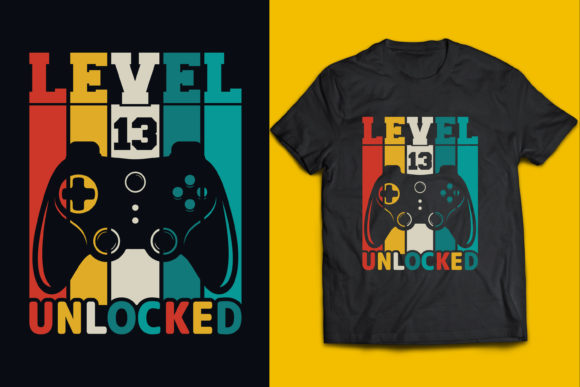
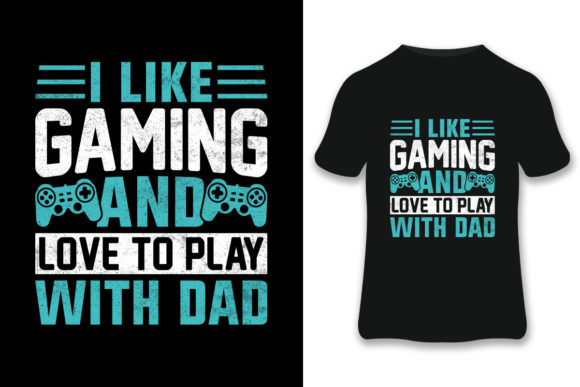
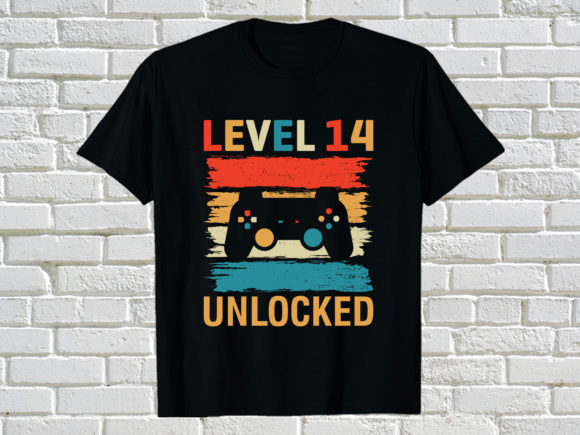
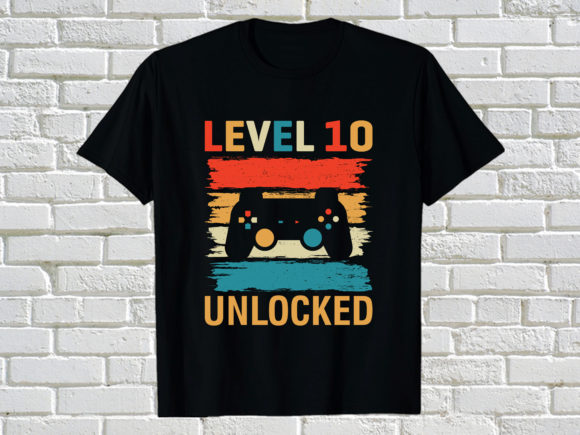
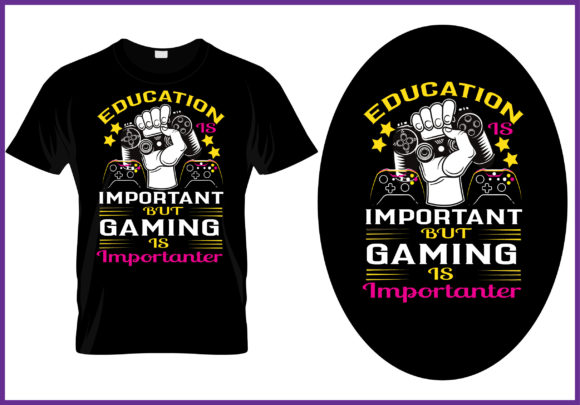
One aspect of education gaming that often goes under-discussed is the physical-world component. When schools, training companies, or edtech startups run education gaming events—hackathons, game-based learning camps, tournament-style quiz competitions—they frequently need branded materials. T-shirts, in particular, serve as walking advertisements and community identifiers. A well-designed shirt can signal belonging, celebrate achievement, and extend the learning experience beyond the screen.
For event organisers, having access to fully customisable t-shirt designs that align with education gaming themes is a practical necessity. What makes a design truly useful across multiple contexts is its flexibility. When a design is built with 100 vector shapes, every element remains independently editable. You can change colours to match your organisation's palette, resize graphics without quality loss, and adapt the composition to fit different print layouts. Vector construction means the design scales from a small chest logo to a full back print with zero pixelation issues. That kind of versatility matters when you're ordering for diverse groups ranging from young students to adult professionals.
The ability to easily change colours on a t-shirt design shouldn't be underestimated. Different events call for different visual identities. A coding camp for teenagers might want bright, energetic colours. A corporate training retreat might need subdued, professional tones. An education gaming conference might require the design to match specific brand guidelines. Vector-based artwork handles all these scenarios without requiring a new design from scratch. You open the file, adjust a few colour values, and have a completely refreshed look in minutes.
What to Look for in a Customisable Design Asset
If you're sourcing assets for an education gaming initiative, several practical features make a significant difference in day-to-day use. The most helpful designs come with ready-to-print file formats, which means the colour profiles, resolution, and bleed settings are already configured correctly. You shouldn't need to troubleshoot technical print specifications before sending a file to production. This saves time and prevents costly misprints caused by incorrect setup.
Designs that advertise 100 percent customisation signal that every component—text, graphic elements, layout arrangement—is adjustable. This level of control allows you to repurpose a single design across multiple applications. You might use the full composition for event t-shirts, extract a simplified version for sticker sheets, or reposition elements for tote bags and water bottles. The more modular the original file, the broader your merchandising options become without additional design costs.
A complete source file package typically includes formats suited for different workflows. EPS files preserve vector editability in professional design software like Adobe Illustrator or Affinity Designer. PNG files offer transparent backgrounds for quick placement in presentations, social media graphics, or preliminary mockups. JPG files provide a universally shareable preview. When you also receive a mockup file, you can visualise how the design will look on an actual t-shirt before committing to print. This visualisation step helps stakeholders approve designs confidently and reduces back-and-forth revision cycles.
Real-World Scenarios Where These Assets Shine
Consider a scenario: you're coordinating an education gaming tournament for five regional schools. Each school wants its own colour variation of the event t-shirt, but the core design must remain consistent to reinforce the event's identity. A vector-built design lets you produce five colour schemes in a single editing session. Export each version as needed, send the batch to your printer, and avoid paying a designer for five separate files. The time and budget savings are immediate and measurable.
Another common situation involves last-minute sponsor additions. An education gaming event might secure a sponsor two weeks before the event date, and that sponsor's logo needs to appear on the t-shirt design. With an editable vector file, you can incorporate the new element without restructuring the entire layout. Sponsors appreciate the flexibility, and your team avoids the stress of rushed redesign requests.
Freelance instructional designers and independent trainers also benefit from having reusable design assets. If you run education gaming workshops for different clients, owning a versatile t-shirt template means you can offer branded merchandise as part of your package. Customise the colours and text per client, present professional mockups during the proposal stage, and deliver consistent quality across engagements. This capability sets you apart from competitors who rely on generic, non-editable clip art.
Making Smart Purchasing Decisions for Creative Assets
When evaluating a design for purchase, examine the product description carefully. A listing that mentions 100 vector shapes explicitly indicates the level of editability you're getting. Sellers who provide detailed inclusion lists—EPS, PNG, JPG, and mockup files—demonstrate understanding of what buyers in education gaming and event production actually need. Look for language about resizability, colour change ease, and print readiness. These aren't just marketing terms; they describe whether the asset will function in real production environments or become a frustrating dead end.
Also consider how many variations you might need over time. An education gaming brand that runs quarterly events will reuse design elements repeatedly. Investing once in a high-quality, thoroughly editable file pays dividends across numerous projects. The alternative—commissioning custom designs for each occasion—quickly exceeds reasonable budget allocations, especially for educational and nonprofit organisations operating with limited resources.
Ultimately, education gaming thrives when learning designers and facilitators can focus on what they do best: crafting engaging educational experiences. The supporting materials—t-shirts, banners, digital badges, event signage—should enhance that experience without creating administrative bottlenecks. Choosing design assets that prioritise editability, scalability, and production readiness keeps the focus where it belongs: on the learners and the learning outcomes that education gaming can deliver when thoughtfully implemented.