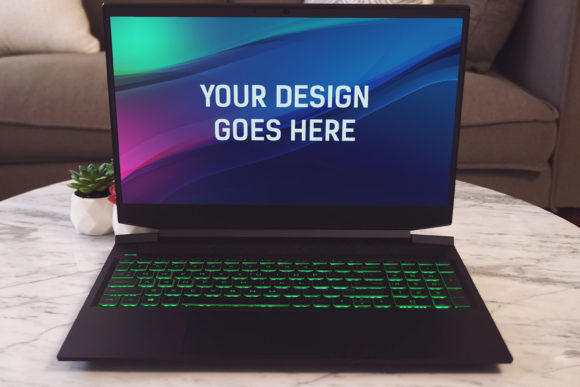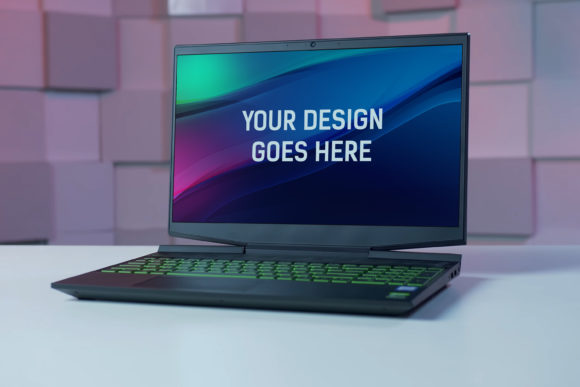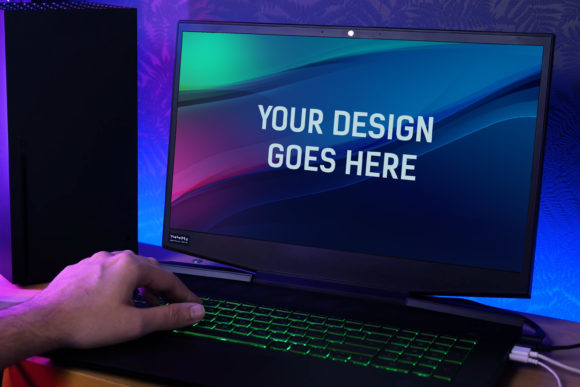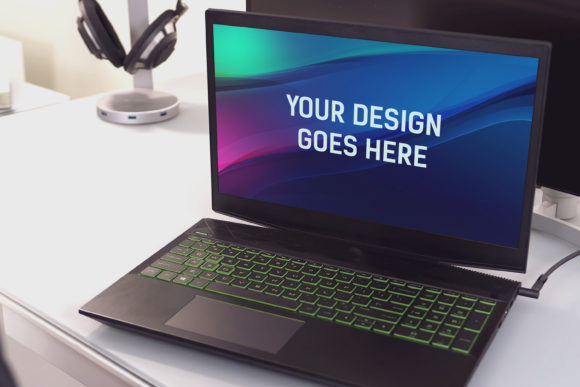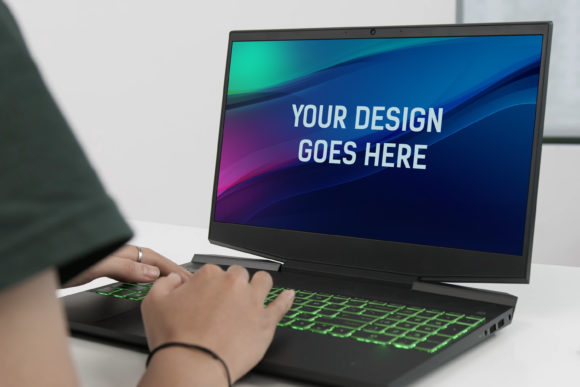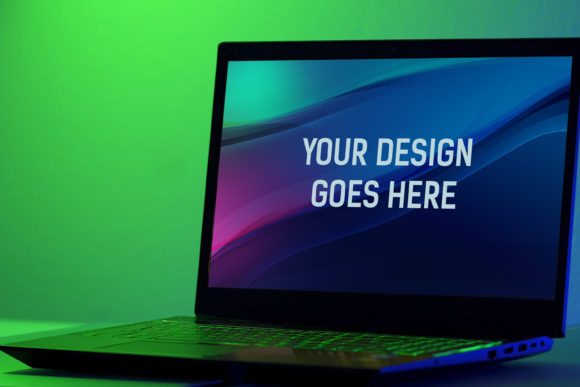
The HP Gaming Laptop Mockup 11: A Gateway to Realistic Product Presentation
In the digital design landscape, presenting a concept in a believable, tangible context is often the final bridge between a great idea and a successful product. For designers, marketers, and content creators working with gaming hardware, a high-quality mock-up is an indispensable tool. The HP Gaming Laptop Mockup 11 represents a specific and powerful solution within this niche, offering a meticulously crafted template to showcase designs on a popular gaming laptop model. This resource transforms flat screenshots or interface designs into photorealistic scenes, lending authenticity and professionalism to any presentation.
Understanding the Mock-Up Toolkit
A mock-up is more than just a background image; it is a structured digital file that allows for seamless integration of user-generated content. The HP Gaming Laptop Mockup 11 package is built around a core Photoshop PSD (Photoshop Document) file. This file type is the industry standard for layered, editable graphic work. Within this PSD, the laptop image is not a flat, static picture. Instead, it is constructed using a Smart Object. A Smart Object is a layer that contains image data from another file. In this context, the laptop's screen area is a Smart Object, meaning a designer can double-click it and replace the embedded image with their own screenshot or design. This process is non-destructive, preserving the original quality and allowing for infinite iterations.
The organizational structure of the file is designed for efficiency. Having a layered and grouped PSD means that every element of the mock-up—from the laptop body, keyboard, and screen to ambient shadows and background textures—is separated and logically grouped. This allows users to make adjustments if needed, such as modifying a shadow intensity or temporarily hiding a background element to focus on the device itself. The promise of being "very easy to edit" hinges on this logical architecture, making it accessible not only to seasoned Photoshop experts but also to those with intermediate skills.
Technical Specifications and Quality Assurance
The foundation of a convincing mock-up is its resolution and detail. This mock-up is provided at a size of 3000x2000px at 300dpi (dots per inch). This high resolution ensures that the final composite image remains crisp even when used in large format prints or detailed digital portfolios. The 300dpi specification is particularly important for print-ready materials, guaranteeing there is no pixelation or loss of detail. The "high quality mock-up" claim is validated by these parameters, which support professional-grade output.
Beyond the base image, the package includes beautiful photo filters included. These are likely adjustment layers or preset styles within the PSD that allow users to quickly alter the mood, tone, or color grading of the final scene. A designer might apply a cooler, blue-tinged filter to suggest a futuristic gaming vibe or a warm, orange glow to evoke a cozy, late-night gaming session. These filters add a layer of creative control without requiring advanced photo manipulation skills.
Primary Applications and User Scenarios
The utility of the HP Gaming Laptop Mockup 11 spans numerous professions and projects. Its use cases are defined by the need to visualize a digital product on a specific physical device.
- Interface and UX Designers: When designing a game launcher, in-game store, or system overlay software for HP gaming laptops, presenting the UI on the actual device screen context is crucial. It tests visual compatibility and demonstrates the user's end-view.
- Marketing and Advertising Professionals: Creating promotional banners, social media ads, or website hero images that feature software running on an HP laptop. The mock-up provides a ready-made, realistic scene that bypasses the need for expensive product photography.
- Game Developers and Publishers: Showcasing game screenshots or trailer key art framed within a gaming laptop screen can make promotional materials more relatable and hardware-specific.
- Content Creators and Educators: Producing tutorial videos, blog graphics, or online course materials where demonstrating software on a recognizable laptop adds credibility and clarity.
- E-commerce and Retail Sites: For stores selling gaming software or digital services, using a mock-up to show the product "in action" on a popular laptop like an HP model can significantly boost customer confidence and conversion rates.
The Workflow: From Design to Presentation
The operational promise is "very easy to use, simply pop in your design or screenshot and everything is automatic." The typical workflow is straightforward. A designer finalizes their screen design—be it a website, app interface, or game screenshot. They open the HP Gaming Laptop Mockup 11 PSD file in Adobe Photoshop. They locate the Smart Object layer for the laptop screen, double-click it to open a separate document, paste or place their design into that document, save and close it. Their design is now rendered onto the laptop screen in the main PSD file, with realistic perspective, lighting, and reflections applied automatically by the mock-up's built-in effects. They can then optionally apply one of the included photo filters, adjust any other visible elements if the grouped layers permit, and export the final JPG or PNG for their project.
Comparative Advantages in the Mock-Up Market
Numerous device mock-ups exist, ranging from generic laptops to specific brands. Choosing a specialized mock-up like this one offers distinct advantages over more generalized alternatives.
- Brand Relevance: Targeting an HP gaming laptop connects directly with a large existing user base and market segment. The mock-up's realism is enhanced by accurately representing a specific device's aesthetics, which resonates more with audiences familiar with that hardware.
- Time Efficiency: Compared to setting up a physical photo shoot with a laptop, which requires equipment, lighting, and possibly manual Photoshop compositing, this mock-up delivers a professional result in minutes.
- Consistency: For a brand or agency producing a series of promotional materials, using the same mock-up ensures visual consistency across all assets, creating a cohesive campaign look.
- Creative Flexibility: The included filters and editable layers allow for stylistic variation while maintaining the core realistic frame. This balances automation with creative control.
However, considerations exist. The mock-up is dependent on Adobe Photoshop, making it less accessible for users who rely solely on other software. Its value is also tied to the relevance of the HP gaming laptop model depicted; if the visual design of the laptop becomes outdated, the mock-up's contemporary appeal may diminish. Furthermore, while the process is straightforward for a simple screen replacement, more complex edits to the scene may still require proficient Photoshop knowledge.
Integrating Mock-Ups into a Modern Design Process
The role of such resources in contemporary design workflows underscores a shift towards modular, asset-based creation. Designers increasingly curate libraries of high-quality templates, like the HP Gaming Laptop Mockup 11, to accelerate the final presentation phase. This allows them to invest more time in the core design and innovation rather than the often tedious task of presentation compositing. It also democratizes quality; a freelancer or small business can produce marketing visuals that rival those from large agencies with substantial photography budgets. The mock-up acts as an equalizer, where the quality of the presentation is guaranteed by the asset, and the focus remains solely on the quality of the design being presented within it.
In educational or research contexts, such mock-ups facilitate clearer communication. A researcher presenting a new gaming analytics dashboard can use the mock-up to show exactly how the dashboard would appear to an end-user on a common device, making the abstract research tangible for stakeholders or conference audiences. The specificity of the HP laptop mock-up adds a layer of concrete application to theoretical concepts.
The Evolution of Presentation Assets
The demand for tools like the HP Gaming Laptop Mockup 11 reflects a broader trend towards visual authenticity in digital marketing and design. As audiences become more discerning, flat graphics or poorly composited images can undermine credibility. A photorealistic mock-up provides environmental context—the subtle reflections on the screen, the texture of the laptop chassis, the ambient lighting—that subtly convinces the viewer that the product is real, functional, and integrated into a plausible setting. This psychological impact is significant for engagement and conversion.
For the hobbyist or independent creator, accessing a professional-grade asset empowers their projects. A game modder creating a custom interface, or a blogger reviewing gaming software, can utilize this mock-up to elevate their content's presentation, competing in visual quality with larger entities. The "automatic" nature of the process removes technical barriers, letting them focus on their core content creation.
Ultimately, the HP Gaming Laptop Mockup 11 is a specialized instrument in a designer's toolkit. It serves a clear, practical purpose: to bridge the gap between digital creation and physical perception. By offering a high-resolution, easily editable, and aesthetically prepared scene, it enables a wide spectrum of users to present their work with confidence, realism, and impact, directly on the canvas of a recognizable and relevant piece of gaming hardware.