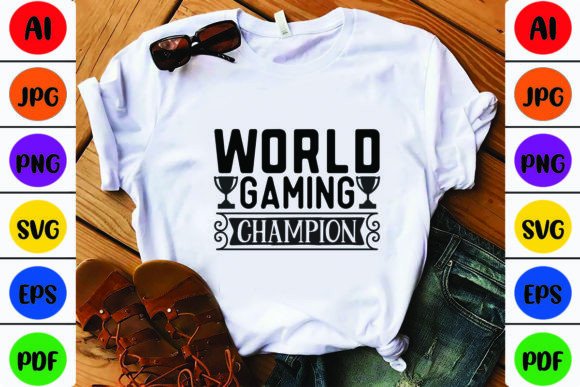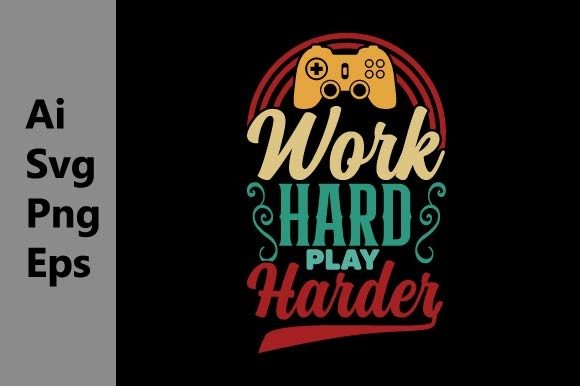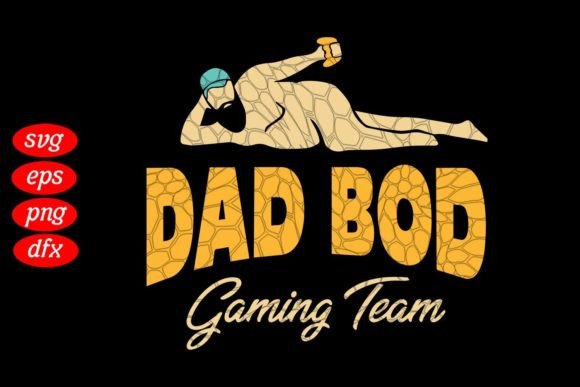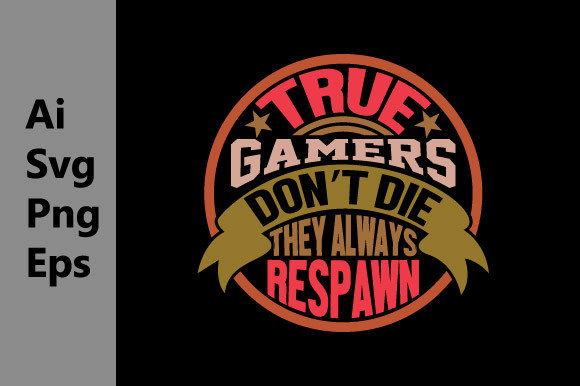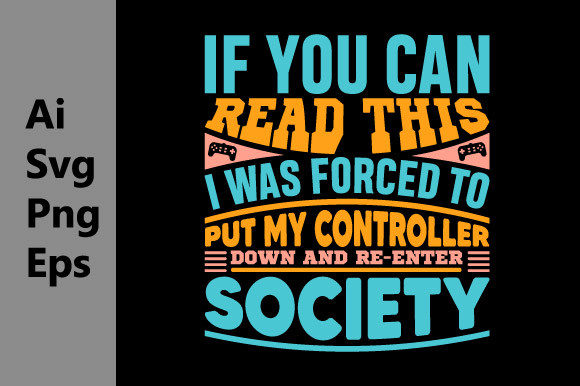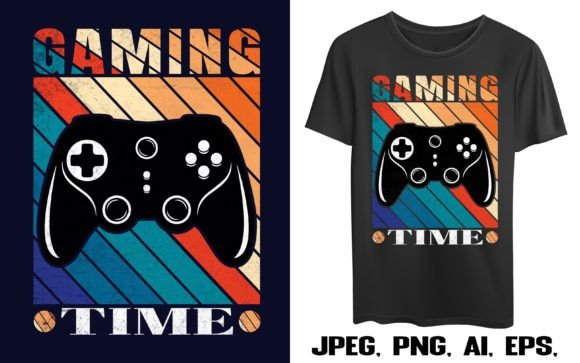
Gaming Time: Creative Printable Designs That Work
Finding visual assets that actually perform well in print can feel surprisingly difficult. You might have searched through countless options, downloaded files that looked promising on screen, only to discover they pixelate the moment you send them to a printer. That experience wastes both time and materials. Gaming Time addresses this directly by providing creative, exclusive designs built specifically for high-quality output, with every file arriving in a 300 dpi resolution that holds up under professional printing conditions. The difference between a standard download and a genuinely print-ready file becomes obvious the first time you see clean edges and vibrant color on physical media.
What sets these assets apart is not simply the resolution claim. The files come in multiple industry-standard formats including JPEG, PNG, Ai, and EPS. Each format serves a distinct purpose. JPEG works well for quick sharing and standard photo prints. PNG preserves transparency, which matters enormously when you need to layer a design onto an existing background without an unsightly white box around the edges. Ai and EPS formats give you full vector flexibility, meaning you can scale artwork to any size without losing clarity, making them essential for signage, large banners, or merchandise applications.
Why a Transparent Background Changes Everything
Many digital designs are delivered on a solid white or colored background that limits how you can use them. A transparent background completely shifts what becomes possible with a single file. You can place a gaming-themed illustration onto a t-shirt mockup without manually erasing backgrounds. You can combine multiple design elements into a cohesive composition for party invitations or streaming overlays. You can integrate artwork into presentations, social media graphics, or product packaging without visible seams. This one feature alone saves hours of tedious editing work, and for busy professionals, educators, and small business owners, that time savings translates directly into more energy for other priorities.
Consider a content creator who needs to produce thumbnail images for a weekly gaming stream. Without transparent backgrounds, every new layout requires isolating the artwork first. With them, the process becomes drag-and-drop. The efficiency gain compounds over dozens of projects. Similarly, a small business owner preparing promotional materials for a gaming event can move faster and experiment more freely when each design element arrives ready to combine without background interference.
Finding Designs That Feel Original
Generic clip art and overused templates can make your project feel forgettable. Creative and exclusive designs bring a different energy. When artwork is developed with originality in mind rather than mass-replicated across platforms, the result stands apart. For a blogger writing about game reviews, exclusive visuals reinforce a distinctive brand identity. For an educator creating engaging classroom materials around game-based learning, unique graphics capture student attention more effectively than familiar stock images that students may have already seen elsewhere.
Exclusivity also matters in commercial contexts. A publisher producing gaming-related content, a marketer designing advertisements, or a freelancer building assets for a client all benefit from knowing the visuals are not simultaneously appearing in competing projects. This does not mean the designs are restrictive. It means they carry a level of freshness that supports stronger audience engagement and brand differentiation.
What 300 DPI Actually Means for Your Output
Resolution specifications can feel abstract until you experience the difference firsthand. A 72 dpi image looks acceptable on a screen but produces blurry, jagged results when printed. A 150 dpi file might pass for some uses but still lacks the crispness needed for detailed artwork. 300 dpi represents the professional standard for print production. At this resolution, fine lines remain sharp, small text stays legible, and gradients appear smooth rather than banded. For anyone producing physical items such as stickers, posters, cards, or apparel, this specification is not a luxury. It determines whether the final product meets expectations or disappoints.
The practical implication is straightforward. When you invest time designing a birthday party around a gaming theme, you want the printed banners, cupcake toppers, and table signs to look polished. When a freelancer delivers branded merchandise samples to a client, the quality of the print directly reflects on their professionalism. The files from Gaming Time are built to that standard from the start, so there is no need to upscale or attempt post-processing fixes that rarely produce satisfactory results.
Multiple File Formats for Different Workflows
Different projects demand different file types, and having access to several formats in one package removes friction from the creative process. JPEG files are universally compatible and ideal for quick prints, digital frames, or sharing previews with collaborators. PNG files preserve transparency and work beautifully for web graphics, digital scrapbooking, and layered compositions. Ai (Adobe Illustrator) files allow full vector editing, so you can customize colors, adjust shapes, or extract individual elements for larger compositions. EPS files provide similar vector versatility with broad compatibility across design software, including older applications and some cutting machines.
A hobbyist making custom gaming-themed apparel with a heat press needs different capabilities than a marketer designing a digital ad campaign. One might rely heavily on the PNG with transparency for placement on fabric mockups. The other might open the Ai file to recolor elements for brand alignment. Both workflows are supported without requiring additional conversions or quality compromises.
Who Benefits Most From These Resources
The range of potential users is broader than it might initially appear. Small business owners in the gaming, entertainment, or party supply niches can use these designs to expand product offerings without commissioning custom artwork from scratch. Freelancers and graphic designers can incorporate the files into client projects as a time-efficient way to deliver high-quality results. Educators exploring game-based teaching methods can create visually engaging worksheets, certificates, and classroom decorations. Bloggers and content creators covering gaming culture can strengthen their visual branding. Hobbyists planning events, building scrapbooks, or personalizing gifts gain access to professional-grade artwork that elevates the finished product.
Even consumers without professional design experience can work with these files. The transparent PNG format makes it simple to insert artwork into user-friendly applications like Canva, Google Slides, or basic photo editors. The learning curve remains accessible, and the results often exceed what someone might achieve by attempting to create similar artwork from scratch without design training.
How Easy Communication Supports Better Results
The phrase easy communication might seem secondary to the tangible file specifications, but in practice, it makes a measurable difference. Clear, responsive communication means questions about file compatibility, licensing, or usage get answered without long delays that stall projects. For a marketer working against a campaign deadline, fast clarification prevents bottlenecks. For a first-time buyer unfamiliar with vector formats, accessible guidance helps them understand which file to use for their specific printer or software setup. The human element behind the product can resolve uncertainty and build confidence, especially for those who depend on timely project completion.
This also extends to the 100% satisfaction guarantee. A guarantee in itself is only as meaningful as the communication that supports it. When a provider genuinely stands behind their work and remains reachable, the guarantee becomes a practical safety net rather than an abstract claim. Users can move forward with their projects knowing that if something does not align with their needs, a solution or resolution is accessible.
Practical Situations Where Print-Ready Designs Deliver Value
Imagine planning a community gaming tournament. You need consistent branding across flyers, social media posts, signage, and participant badges. Sourcing designs from multiple places often leads to mismatched aesthetics. A unified collection of exclusive gaming-themed artwork solves this coordination problem and maintains a cohesive look that feels intentional rather than assembled. The 300 dpi resolution ensures the large banner at the entrance looks just as sharp as the smaller table signs.
Consider a teacher hosting a game-design workshop for students. Providing handouts and instructional materials that feature polished, engaging visuals communicates professionalism and care. Students respond differently to materials that look thoughtfully prepared versus hastily thrown together. The availability of editable vector files means the teacher can adapt designs to include instructions, labels, or classroom-specific branding without degrading quality.
Think about a freelancer building a portfolio website. Using generic free assets can make the work appear amateurish, even if the underlying projects are strong. Integrating exclusive, high-quality gaming visuals into portfolio pieces demonstrates attention to detail and a commitment to originality that prospective clients notice.
Understanding Fit and Possible Limitations
While these design files offer substantial flexibility, users should assess whether their specific software setup supports the provided formats. Ai and EPS files require vector-editing applications for full customization. Most professional designers already use Adobe Illustrator or compatible alternatives, but someone working exclusively with basic photo editors may not be able to edit vectors directly. In such cases, the PNG and JPEG formats remain fully usable for essentially all standard applications, including printing and digital composition. Understanding which format fits your workflow ahead of time prevents frustration.
Another consideration involves licensing. Users intending to incorporate designs into products for resale should confirm that the usage terms align with their business model. Exclusive designs still carry terms of use, and responsible creators clarify these boundaries. The same principle applies to anyone planning to distribute the files themselves. The value lies in using the artwork to create finished products, not in reselling the source files. Checking these details early supports a smooth and legally sound experience.
Making the Most of Your Print-Ready Assets
Preparing a print-ready file correctly involves more than having the right resolution. Color profiles, bleed areas, and paper selection all influence the final output. The design files from Gaming Time provide a strong foundation, and pairing them with quality printing practices maximizes the result. For home printers, selecting the appropriate paper type in the print dialog and ensuring sufficient ink levels prevents common quality issues. For professional printing services, delivering the 300 dpi files in the requested format reduces back-and-forth and potential errors.
Users who take a moment to test print on standard paper before committing to specialty materials like cardstock or printable vinyl often catch alignment or color adjustments early. This small step can prevent wasted materials and ensure the finished piece matches expectations. The transparent background in the PNG format also supports creative placement on patterned or colored papers, opening possibilities that solid-background designs cannot achieve.
The combination of exclusive creative work, professional resolution, flexible formats, and accessible support creates a resource that adapts to a wide range of projects. Whether you are building a brand, teaching a class, celebrating an event, or expanding a product line, the difference between ordinary graphics and purpose-built print-ready designs shows in the final result.